



About
My Cookbooks
Work With Me
Contact
  • Facebook
  • Instagram
  • Pinterest
  • X
  • YouTube
The Flavor Bender

Master the Science of Delicious

  • Recipe Index
    • All Recipes
    • Desserts
      • Cakes & Cupcakes
      • Candy & Bite Sizes
      • Chocolate
      • Cookies, Brownies & Bars
      • Frozen Desserts
      • Fruit Desserts
      • Puddings & Custards
      • Dessert drinks
      • No Bake
      • Pastries & Breads
      • Sweet Syrups & Spreads
      • Tarts & Pies
      • Cheesecakes
      • Healthy sweets
    • Breakfasts
      • Tarts, Quiches, & Pies
      • Waffles, Pancakes & Crepes
      • Quick Breads, Scones & Muffins
      • Breakfast Sandwiches
      • Breakfast Pastries
      • Eggs
      • Breakfast & Brunch Drinks
      • Make Ahead Breakfasts
      • Healthy Breakfasts
      • Coffee and Tea drinks
      • Breakfast Smoothies & Juices
      • Breakfast Sides
      • Casseroles
      • Jams & Spreads
    • Courses
      • Main Meals
        • Bread, Sandwiches & Burgers
        • Curries
        • Salads
        • Roasts & BBQ
        • Soups & Stews
        • Casseroles
      • Bread
      • Lunch
      • Beverages
      • Appetizers & Tapas
      • Sides
      • Dips & Condiments
      • Tea Time & Snacks
      • Desserts
      • Meal Prep
      • Cocktails
      • Pet Friendly Recipes
    • Cuisines
      • American
      • European
      • Australasian
      • Sri Lankan
      • East Asian
      • Mexican
      • Middle Eastern
      • South Asian
    • Sri Lankan
      • Main Meals
      • Drinks
      • Desserts
      • Breakfasts
      • Snacks
    • Skill Level
      • Easy
        • Easy Desserts
        • Easy Cooking
        • Easy Breads
        • Easy Breakfasts
        • Easy Dinners
      • Intermediate
        • Intermediate Desserts
        • Intermediate Cooking
        • Intermediate Breads
        • Intermediate Breakfasts
        • Intermediate Dinners
      • Advanced
        • Advanced Desserts
        • Advanced Cooking
    • Recipes by Season
      • Christmas
      • Fall & Winter
      • Halloween
      • Spring & Summer
      • Thanksgiving
      • Valentines Day
    • Recipes by Diet
      • Dairy Free
      • Eggless
      • Gluten Free
      • Paleo
      • Vegan & Vegetarian
    • Recipe Basics
      • Baking Basics
      • Cooking Basics
      • Baking & Cooking 101
  • New? Start Here
  • Measurement Conversions
  • How-To Posts
  • About
  • My Cookbooks
  • Work With Me
  • Contact
The Flavor Bender   ›   Recipes   ›   Delicious Desserts   ›   Cakes and Cupcakes   ›   Sri Lankan Butter Cake (Authentic Recipe)

Sri Lankan Butter Cake (Authentic Recipe)

Author:

Dini Kodippili


Jump to Recipe


Posted: 8/11/2020
Total Time1 hour hr
Quick and Easy Recipes
Cakes and Cupcakes

Authentic Sri Lankan Butter Cake is easy to make. And easy to love! It’s essentially a pound cake, but even more deliciously moist, light and buttery. And perfectly sweet, with a gorgeous crumb. Often accompanied with a cup of tea, and absolutely no frosting. And it’s very popular as a birthday cake too!
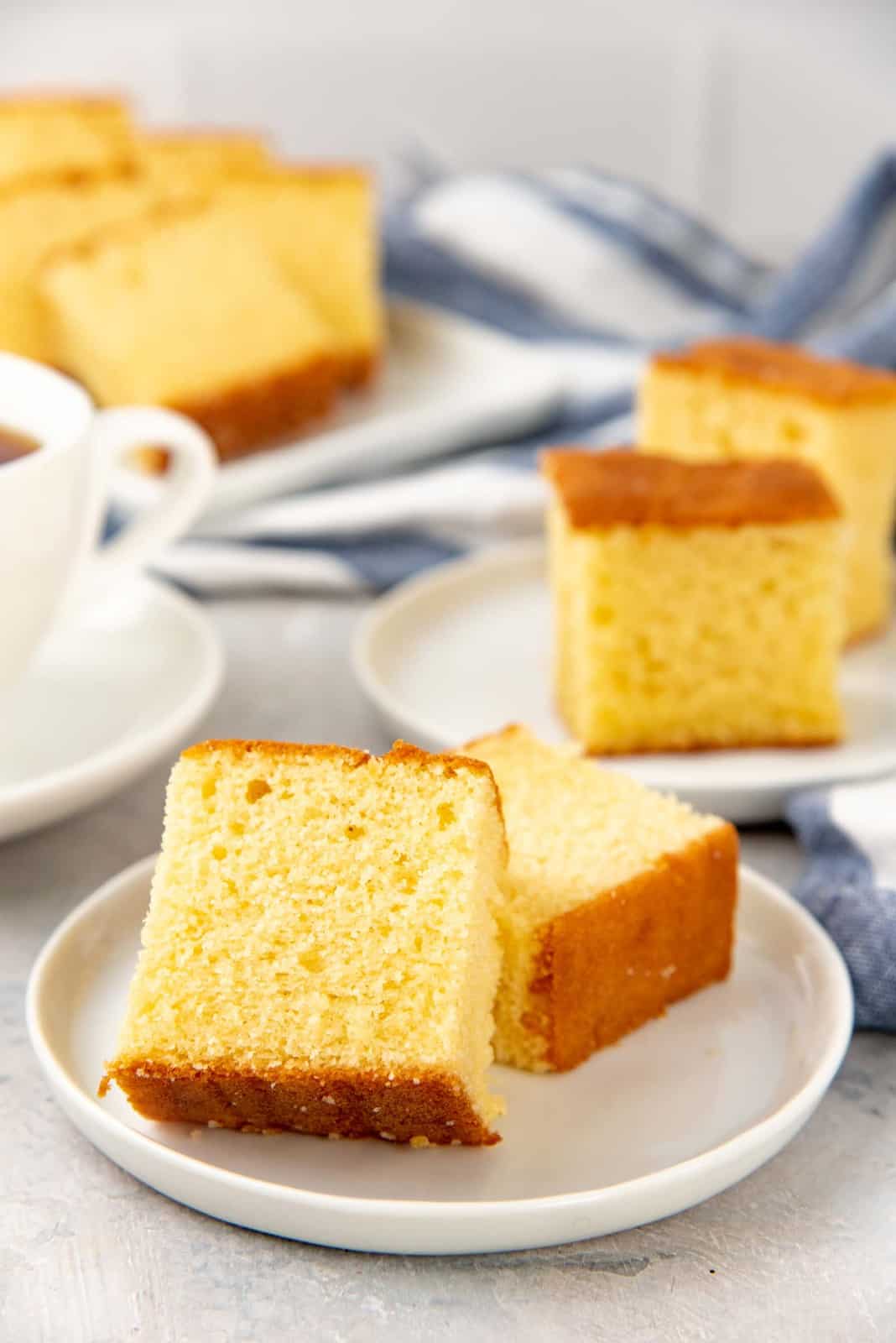
Classic Sri Lankan Butter Cake recipe with step by step instructions!

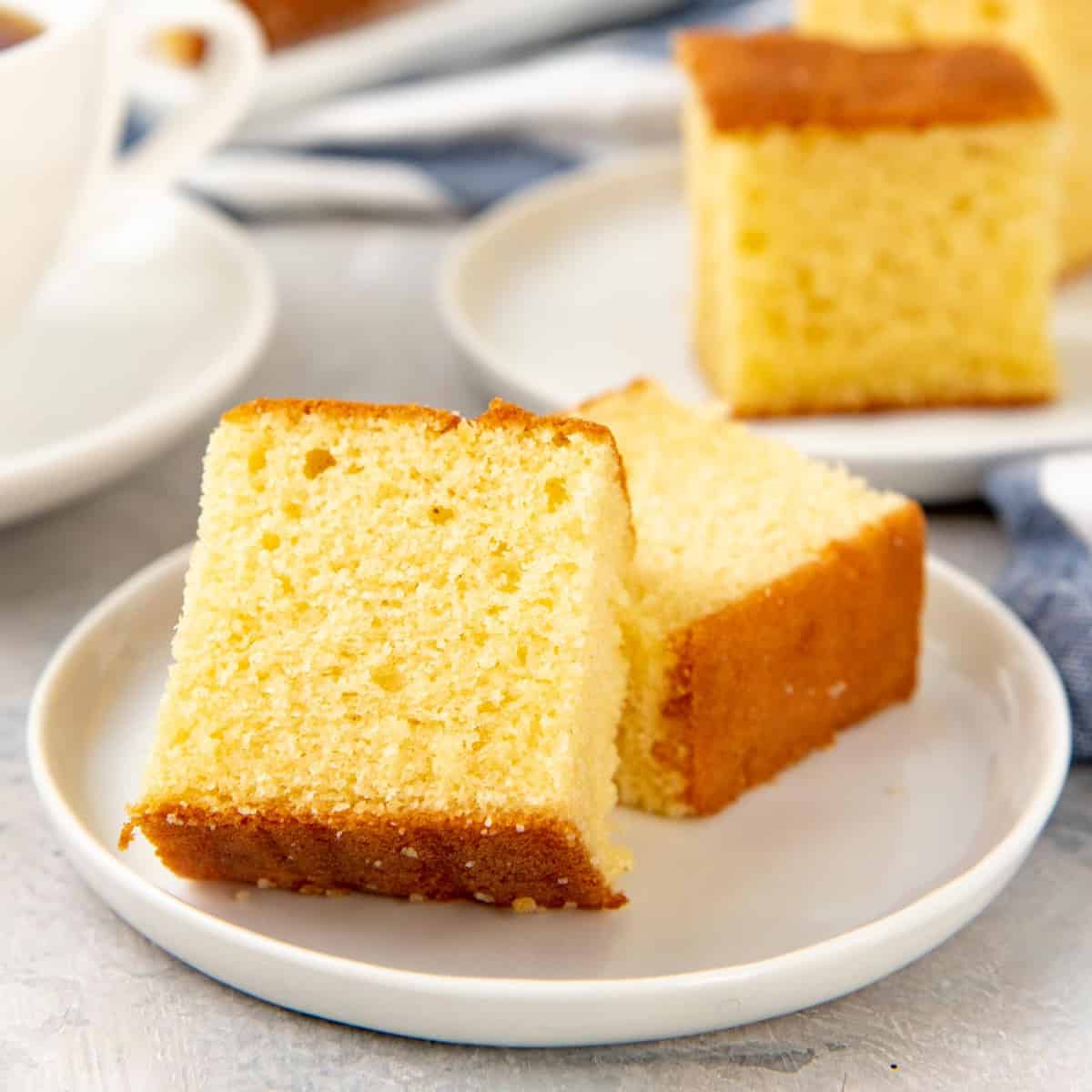
A close up of two pieces of butter cake on a small serving plate

This is the first cake I learned to make as a kid. That’s no surprise because it’s perhaps the most popular type of cake in Sri Lanka. If a little me can bake this cake with little hassle, then you can nail this recipe too.

What is a Sri Lankan Butter Cake?

This is essentially a pound cake. This butter cake is made with butter (duh), and flavored with vanilla. It’s served in every bakery in Sri Lanka (no really, every single one of them without fail), because it’s a simple cake that can be served during special occasions as well as mundane occasions. Due to its simplicity and relative inexpensiveness, it’s widely popular!

Although it is made with butter and vanilla, butter can be expensive in Sri Lanka. So most people substitute the butter with margarine. Butter has more flavor in my opinion, but margarine does yield a softer cake. So you can use half butter and half margarine if you like.

A close up of the butter cake crumb

I also prefer using vanilla extract. Some people use almond extract as well. Some families use a little lime rind or lemon rind, because vanilla extract used to be hard to find when I was growing up. The primary purpose of this flavoring is to shield any “eggy” smell. But good quality vanilla extract does add a flavor that is hard to beat.

This cake doesn’t have any frosting, or any toppings. Just like regular pound cake. The flavor and texture of this butter cake are bold and beautiful enough on their own!

Is this similar to an American butter cake?

Similar, but not the same.

American butter cake usually has more sugar compared to this Sri Lankan butter cake. This butter cake recipe has more in common with an American pound cake recipe (because of the added milk).

However, all of these cakes derive from a common ancestor – the classic British pound cake.

Is butter cake hard to make?

This is a common question I get. The answer is not at all.

Yes, baking is a science of sorts. But if you have a weighing scale, an oven, a bowl and a mixer – this cake is indeed a piece of cake.

It’s important to get the consistency right at each step, so make sure to read the whole recipe properly once or twice before you start, and check out the photos in the post to know what to expect.

There are two ways people choose to make Sri Lankan butter cake. You could do it either way, but let me explain each method first.

Sri Lankan butter cake on a cooling wire rack

Two ways to make butter cake

The classic method – This is the method that I’ll be sharing in this post. The butter and sugar are creamed together and then WHOLE EGGS are added to the batter, followed by milk and dry ingredients.

The sponge method – This method will use the same ingredients as the classic method, but usually without the baking powder. However the eggs are separated, and only the egg yolks are added to the butter and sugar mixture. The egg whites are whisked separately and folded into the batter at the end.

Which method do I prefer?

Classic method. This method is easier, and the results are amazing. The texture here is more like that of a classic cake as well. This way you don’t have to whisk the egg whites separately and you still get an amazingly light texture. If it ain’t broke, don’t fix it, right?

With the sponge method, the cake relies on the egg whites for “lift”. The final cake has a more sponge cake-like texture as well.

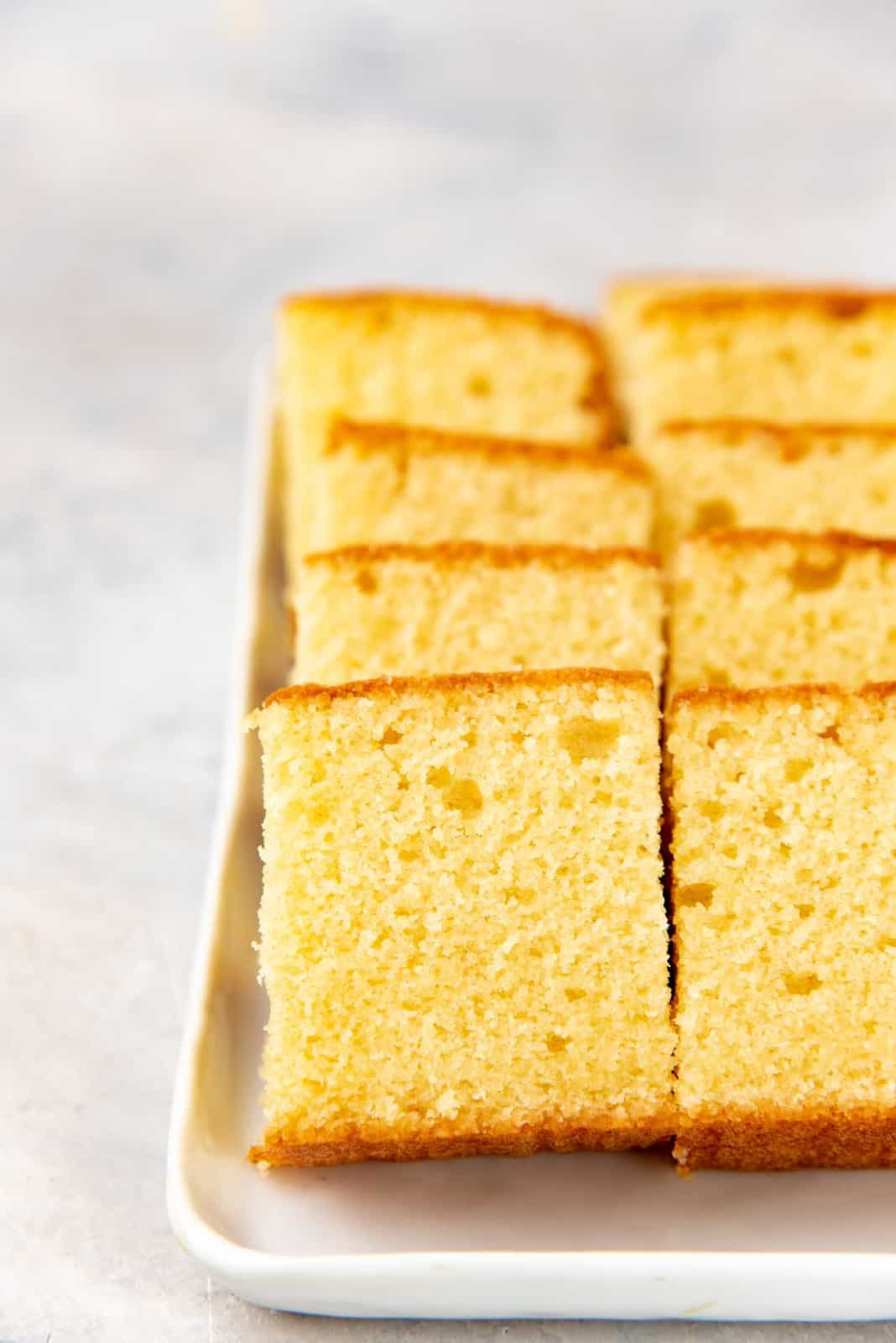
Pieces of butter cake, standing upright on a serving plate

Can I make butter cake without a mixer?

Yes, you can! It takes a little longer, and it’ll be a good arm workout too.

The hardest part is creaming the butter and sugar until really light and fluffy. Once that step is done, the rest will be a breeze to do by hand.

How to make the perfect Sri Lankan Butter Cake

Ingredients

You will need equal amounts of butter, sugar, all purpose flour and eggs. To make sure you have equal amounts of each of these ingredients, you MUST weigh them, including the eggs.

It’s also very important that ALL the ingredients are at room temperature. If it’s a cold day, then make sure the butter is at about 73 F / 23 C. It’s important that the butter is softened, but NOT melted.
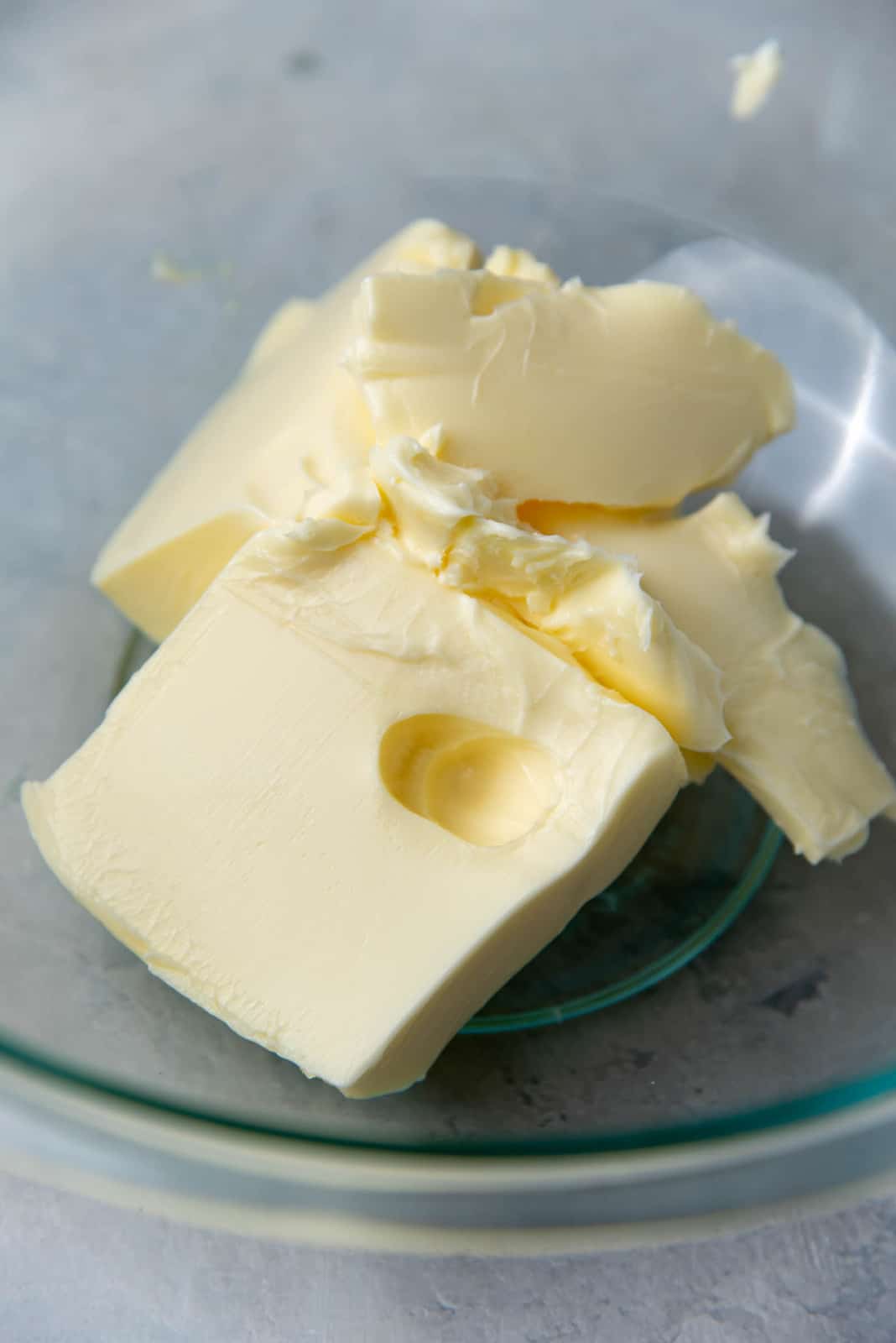
Softened butter, with a dent in it to show how soft it is

Apart from these core ingredients, you will also need;

  • Baking powder – the chemical leavener to “lift” the cake and make it lighter.
  • Vanilla – flavoring to make the cake taste better, and enhance the buttery flavor and sweetness.
  • Milk (at room temperature) – unlike classic pound cake, milk is added to the cake batter here. The extra liquid makes the cake batter light, and yields a cake with a beautiful, light crumb. Pound cake on the other hand has a more dense crumb.

Make sure you have the right tools to make the cake first.

  • Stand mixer (preferable), or hand mixer
  • An 8 inch or 9 inch square pan
  • Parchment paper
  • Spatula

The process of making butter cake

Line your baking pan (8 or 9 inch square pan) with parchment paper. I usually only line the bottom of the pan, and then butter and flour the sides. But you can leave a generous overhang of parchment paper over the sides, so that it’s easier to remove the cake from the pan.
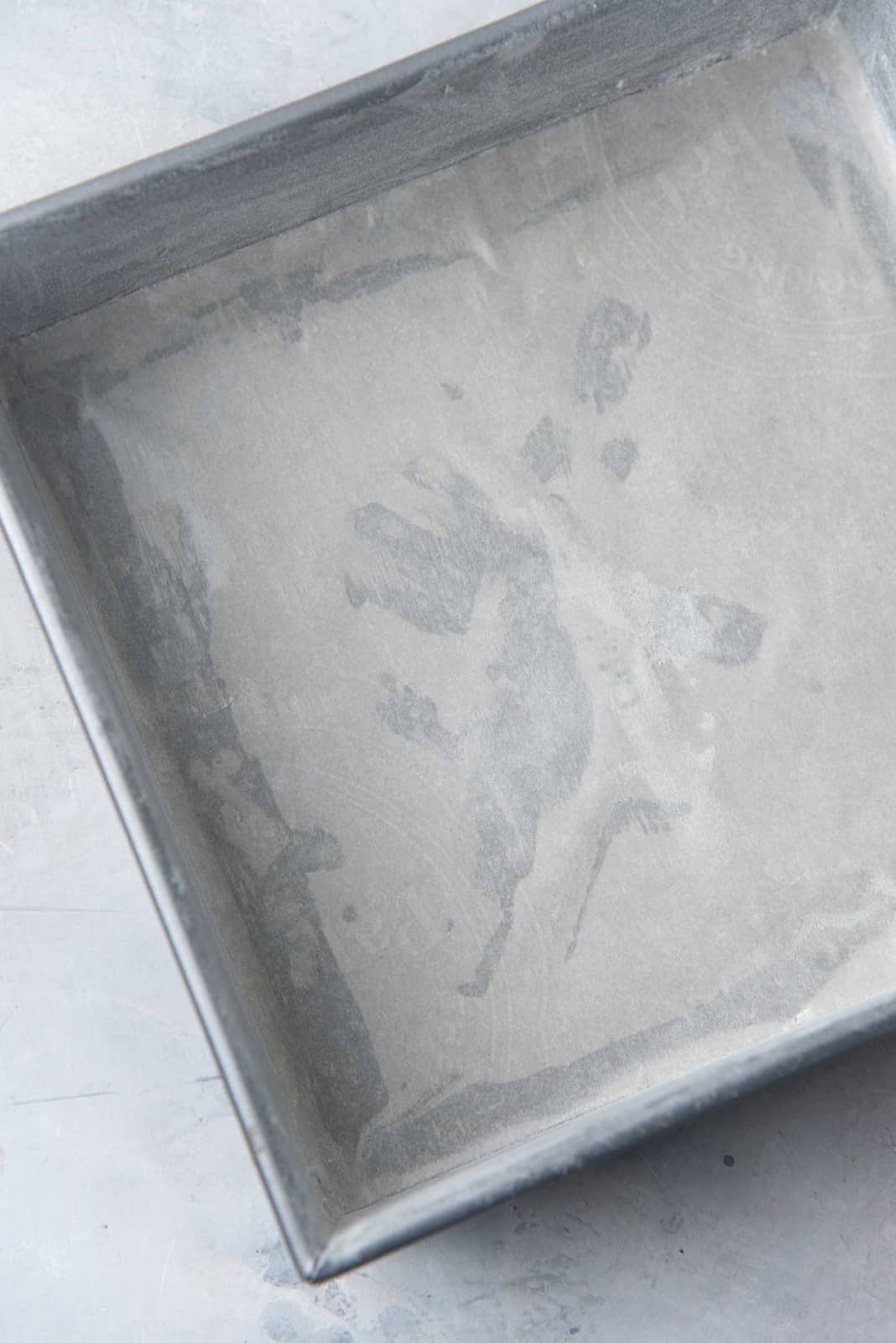
A parchment lined square pan to bake butter cake

The first step is to place the softened butter and salt in your mixer bowl. Using the paddle attachment in your mixer, beat the butter until light and creamy.
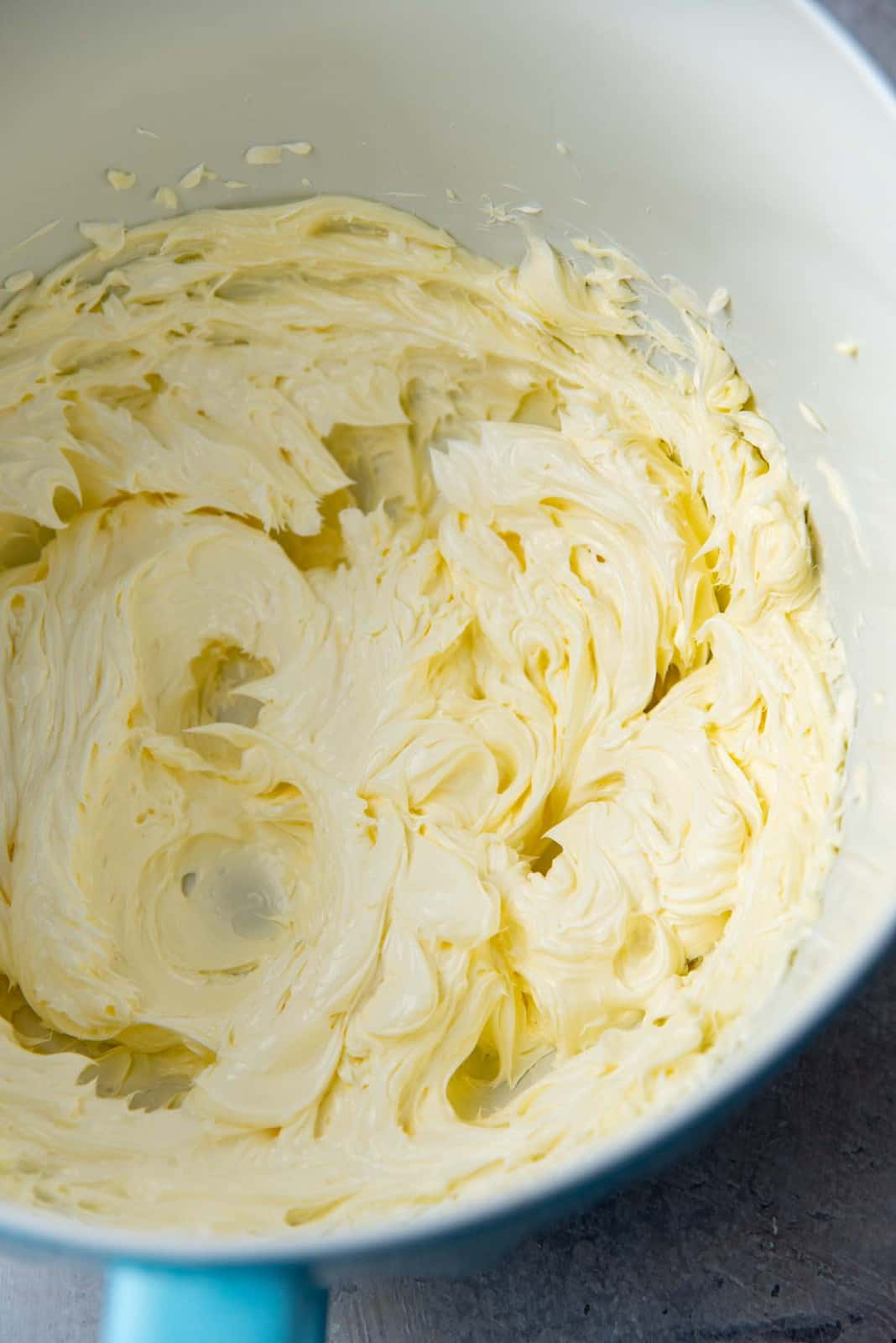
Fluffy, creamy butter in a mixer bowl after being mixed with a hand mixer
Mixing the butter until creamy
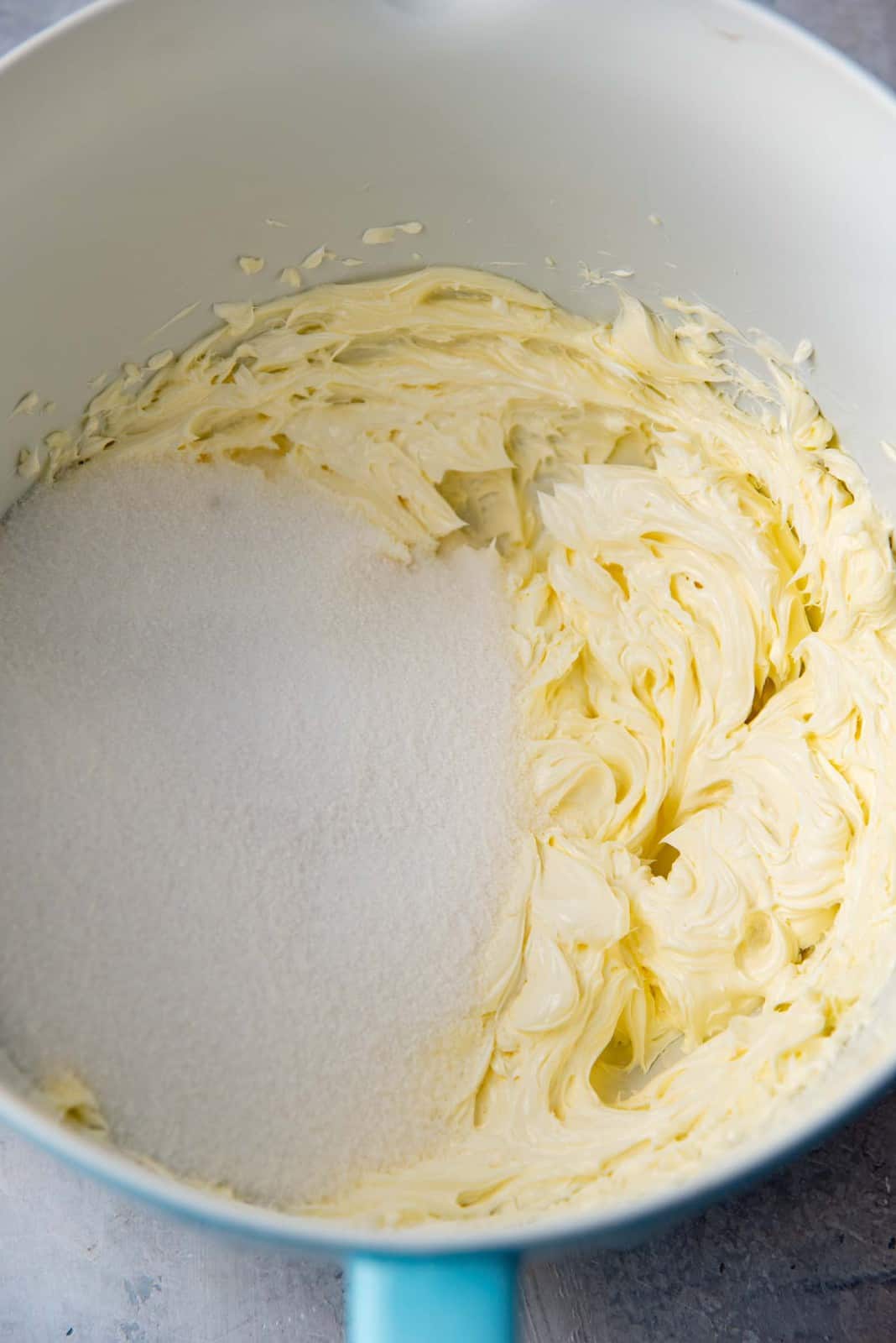
Adding sugar to the creamed butter
Add the sugar to the creamed butter

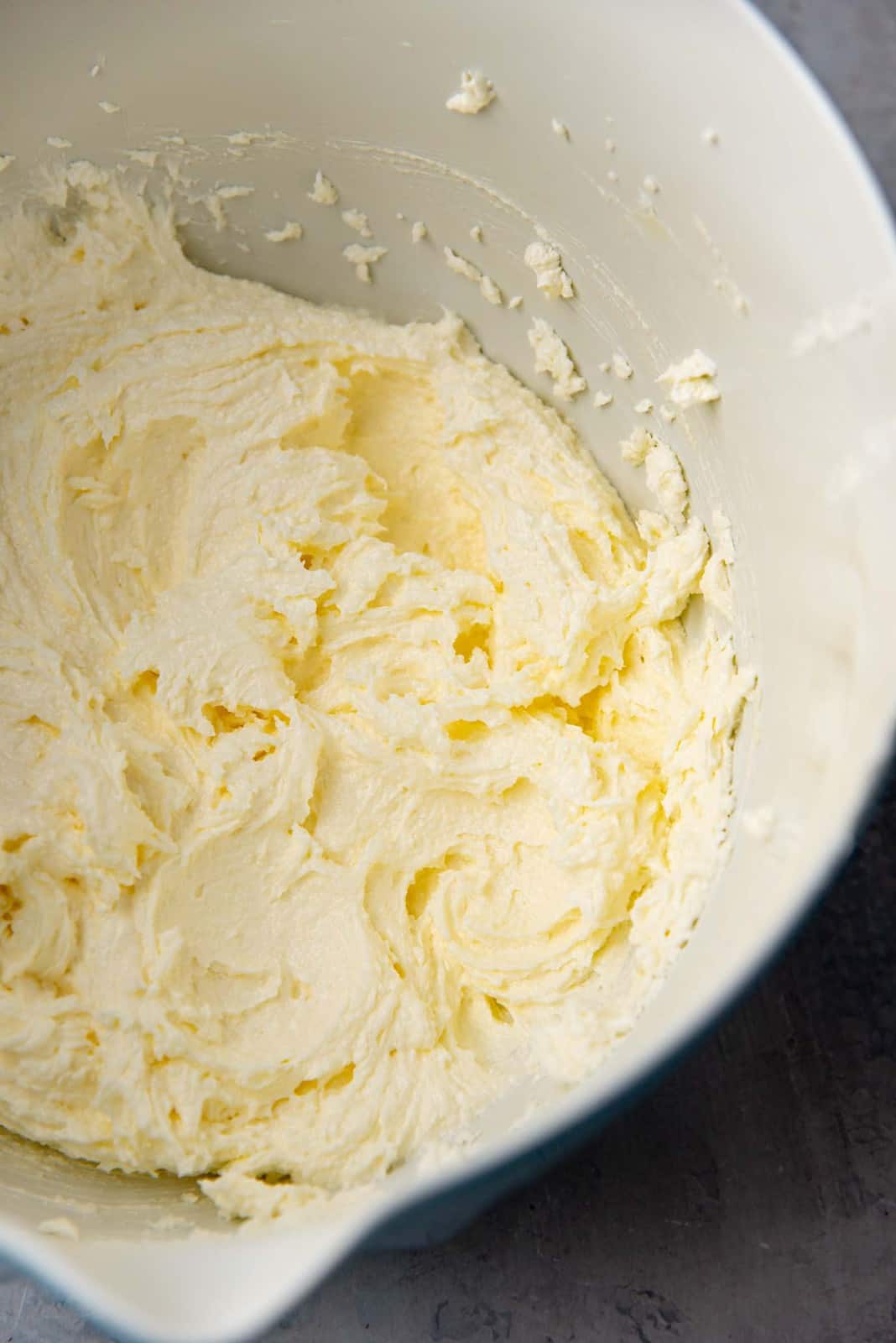
Add the sugar, and cream the butter and sugar together until you have a very light and fluffy butter-sugar mix. Half way through creaming these ingredients, scrape the sides and bottom of the bowl to make sure everything is mixing evenly. DO NOT SKIP THE STEP. It’s crucial for how fluffy and soft the cake will be at the end. Take your time and make sure you get this step right. There’ll be plenty of time to enjoy your fruits (cakes?) of labor later.
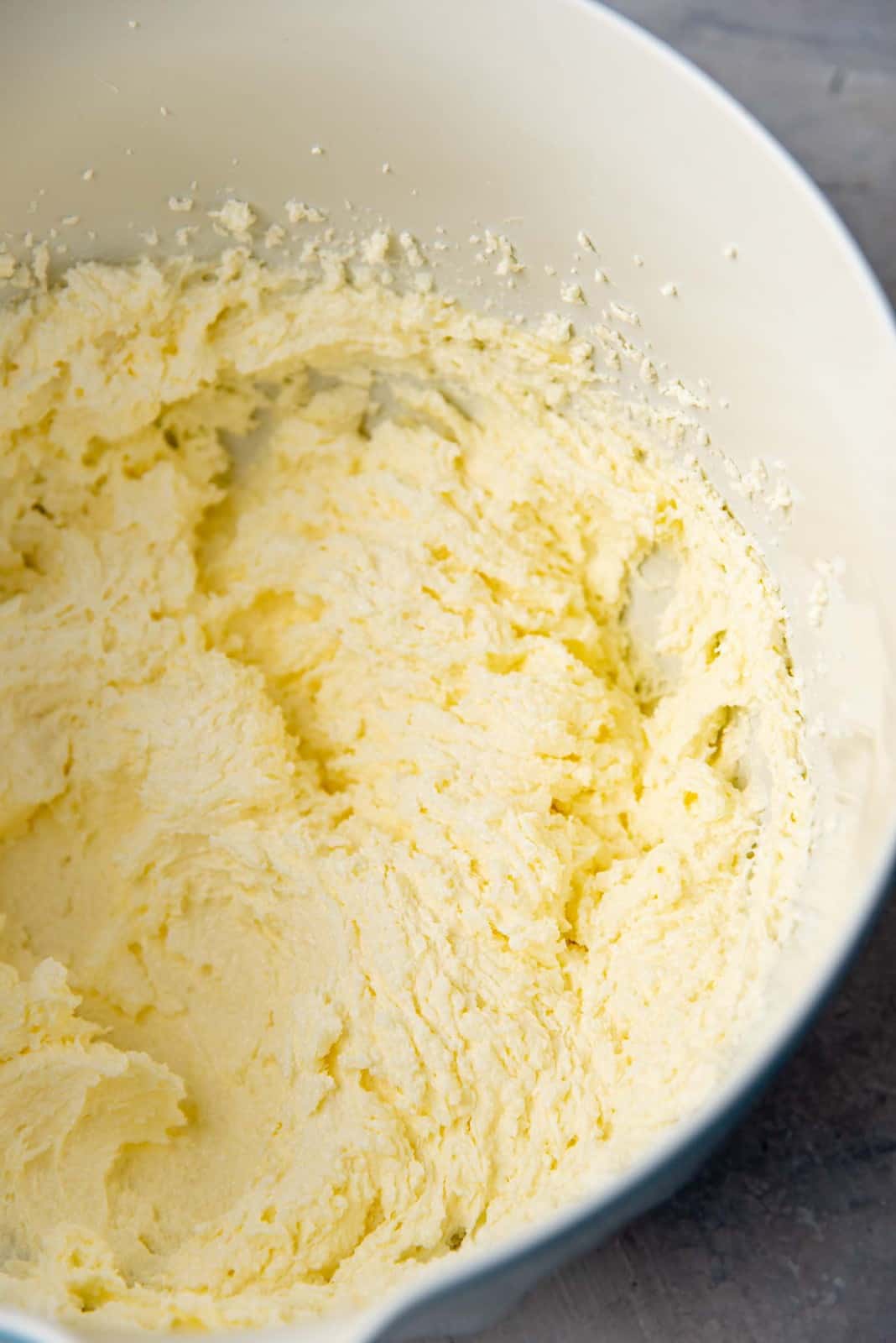
An image showing the texture of the creamed butter and sugar at the start of the process of making butter cake
This is what the batter looks like as soon as the sugar is mixed into it
Creamier, fluffier butter and sugar mixture after mixing for a few minutes
After a few minutes of creaming the butter and sugar mixture

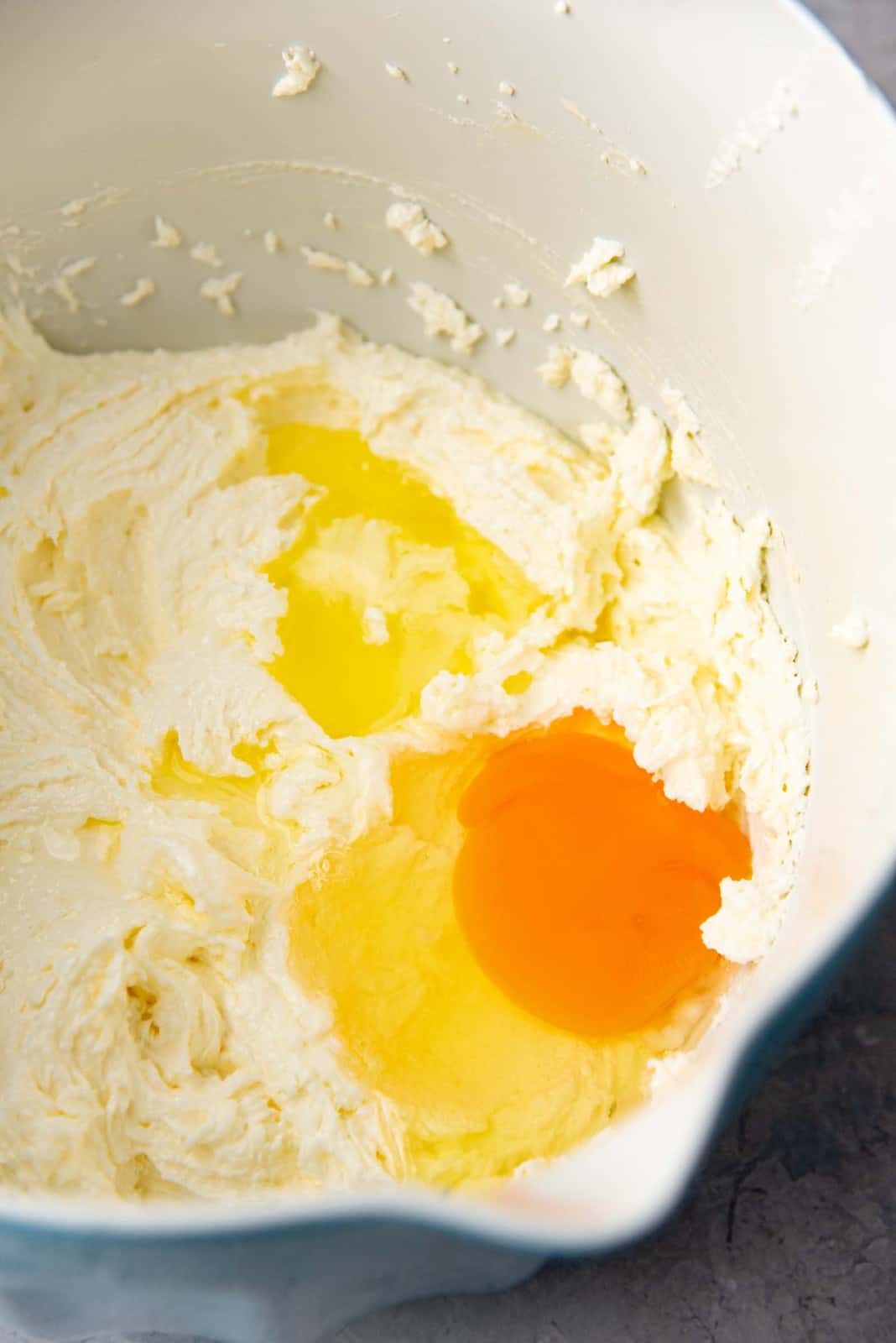
Next, add the eggs. For 250 g of butter, you may need 4 – 5 eggs (weighed with the shells). Mix one at a time, and add the next one only after the previous egg has been mixed in. It’s also important not to over-beat the batter once you add the eggs.
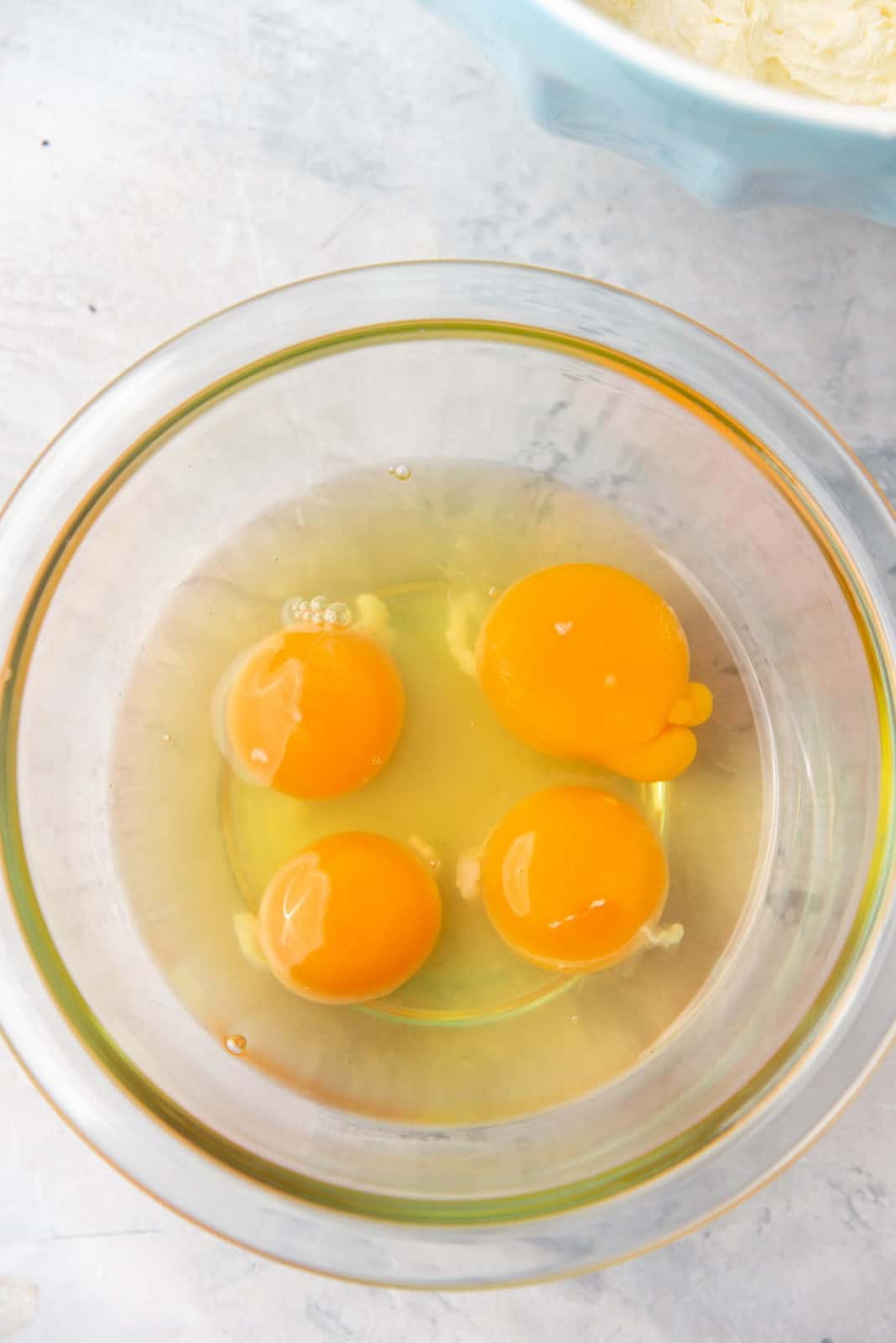
4 eggs in a bowl
One egg added to the creamed butter sugar mixture

Over-beating the eggs will incorporate more air that could deflate during and after the baking process. The result would be a sunken cake.

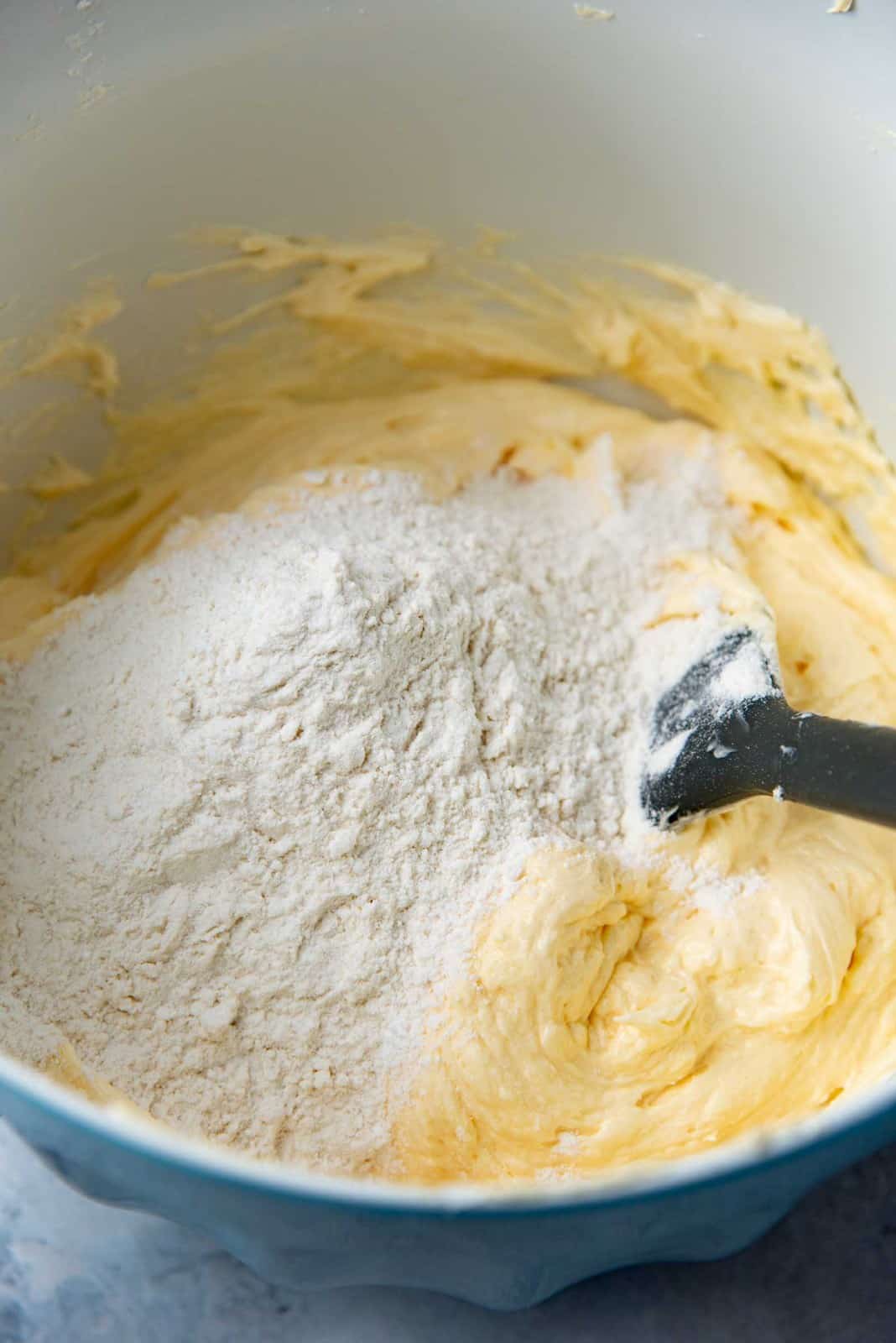
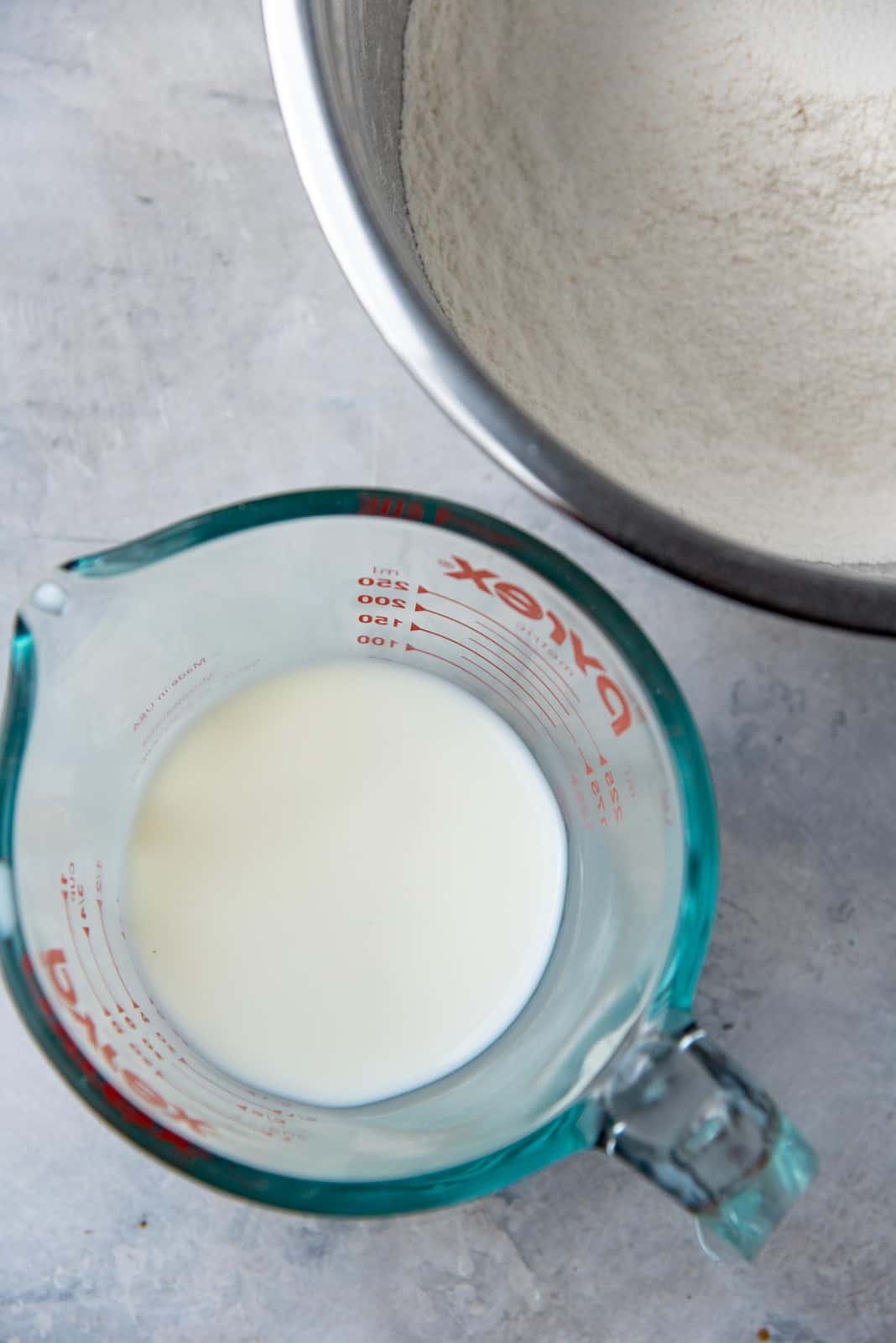
Sift the flour and baking powder together. You will be adding the dry ingredients into the cake batter alternately with the milk. Make sure to end with the flour.

Preventing overmixing of the batter

Very important that you do not overmix the batter while folding in the flour. Fold in the flour gently with a spatula to avoid overworking the gluten in the dough. If you end up with a rubbery, dry cake with a dense crumb with tunnel-like holes – this is usually the culprit.

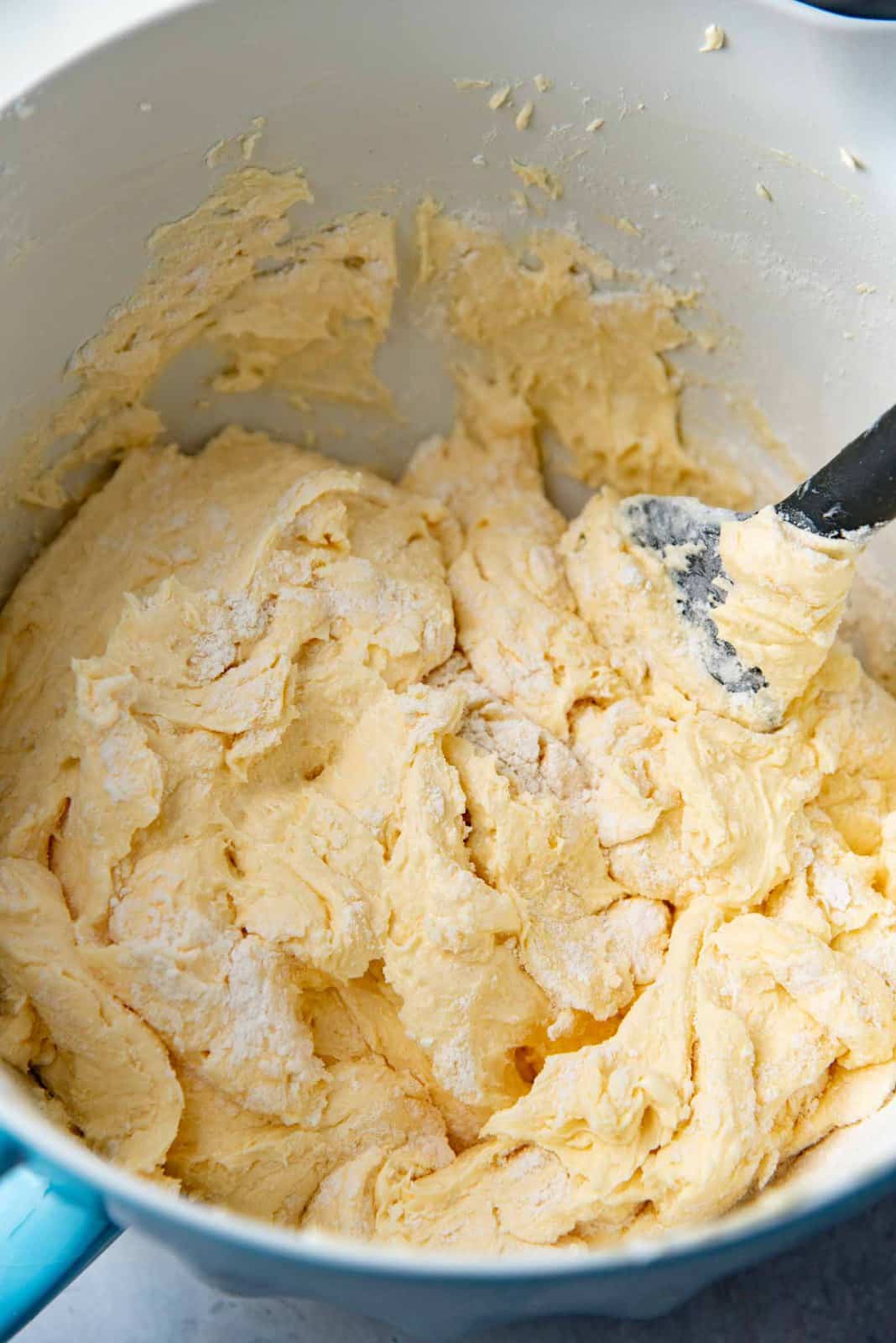
Fold the flour in using a big, flat spatula. Do this by sweeping the spatula THROUGH the middle of the batter, and then go along the wall of the bowl from the bottom to the top, and then fold it over. Rotate the bowl and repeat to evenly mix in the flour. DO NOT stir or mix the batter vigorously.

Once the flour and milk are folded in, the batter is ready to be baked. The batter should be smooth and light yellow in color. It should not look grainy or be too liquid.
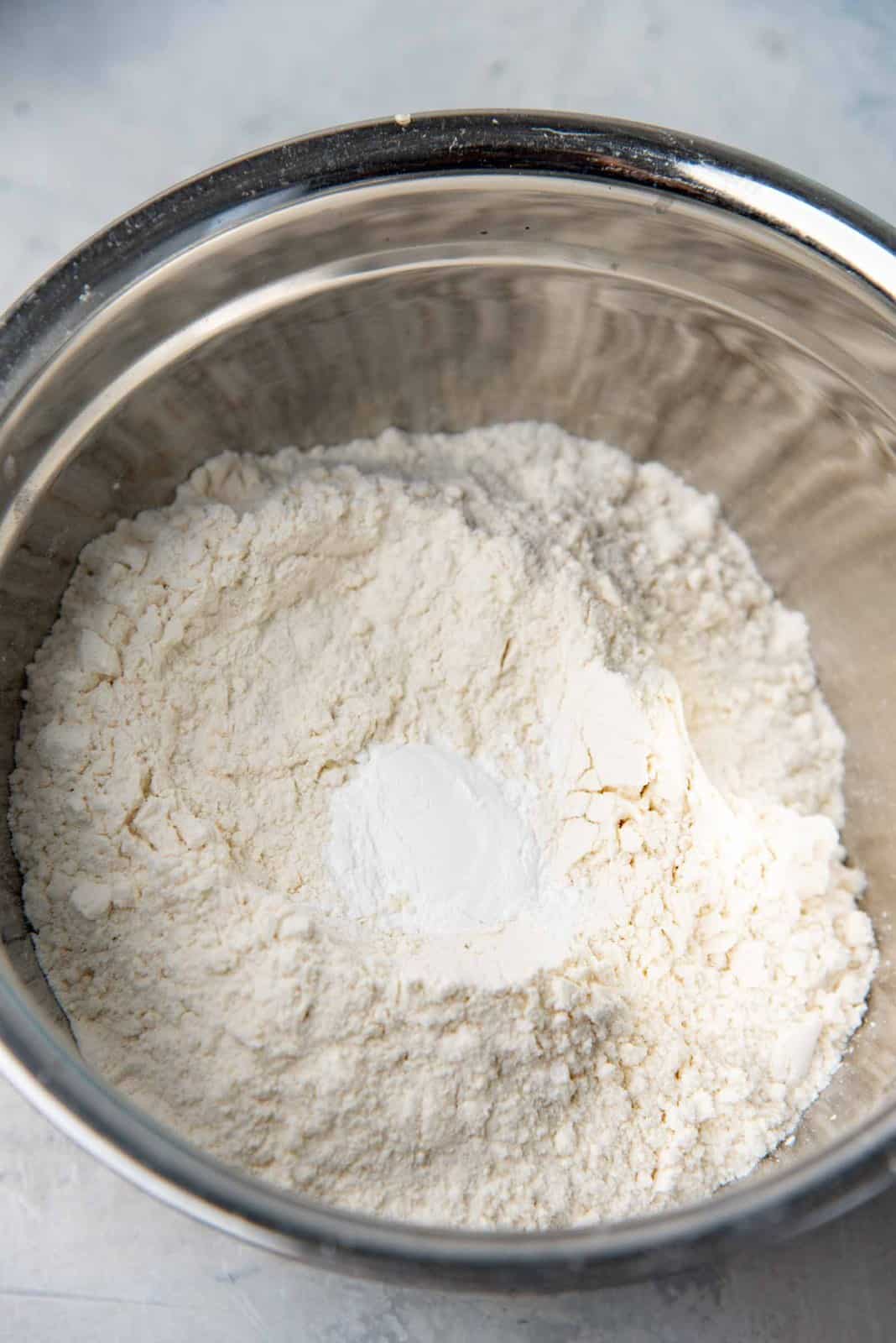
Dry ingredients - flour and baking powder in a bowl
room temperature milk in a jug next to the bowl of dry ingredients
Cake batter in a bowl, with dry ingredients added on top
An image to show mid way through the folding process of the flour into the cake batter

How to bake the butter cake, and tell when it’s done.

Scrape the batter into the prepared baking pan. The longer you let your batter sit on your counter, the less active the baking powder is going to be. This is why we prepared the baking pan first! Once the batter is in the pan, use an offset spatula to evenly spread it.

Cake batter that has been made and poured into a prepared cake pan.

To make sure there are no big air holes trapped in the batter – knock the pan on your kitchen counter about 2 – 3 times. This not only knocks out air pockets from the batter, but also makes the batter spread evenly in the pan.

I bake my Sri Lankan butter cake in a oven preheated to 325 F. Since the cake is a square, and the heat doesn’t distribute as evenly as in a round pan, I like to bake the cake at a slightly lower temperature. This way the cake bakes a little slowly, but also evenly.

Using a spatula to spread the smooth butter cake batter evenly in the pan

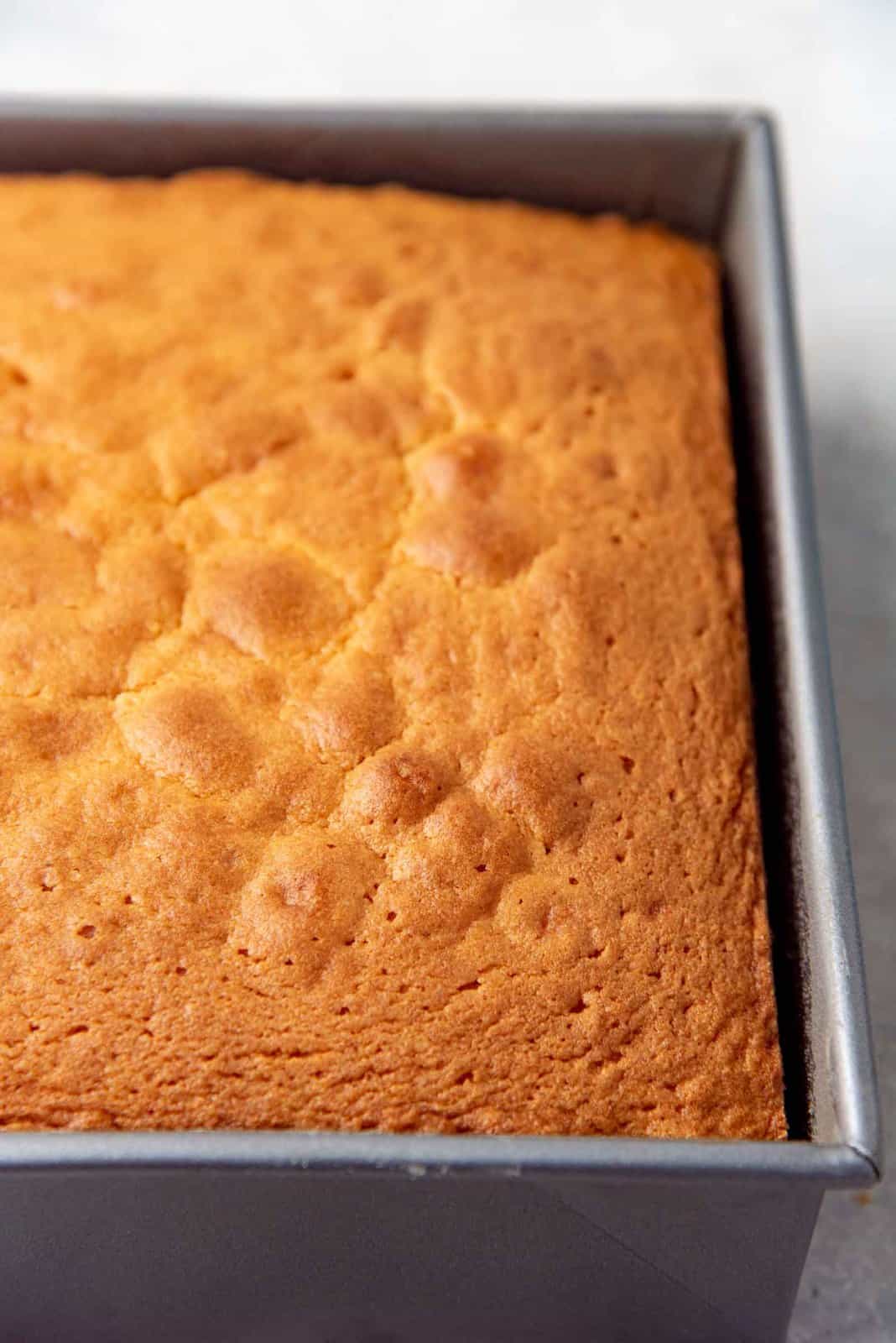
Bake the cake in your preheated oven until the cake is done. This can vary slightly depending on whether you used an 8 or 9 inch pan, or your oven. But you will know it’s done when you insert a toothpick in the center of the cake, and it comes out clean. The cake surface will also spring back slightly when gently pressed with a finger.
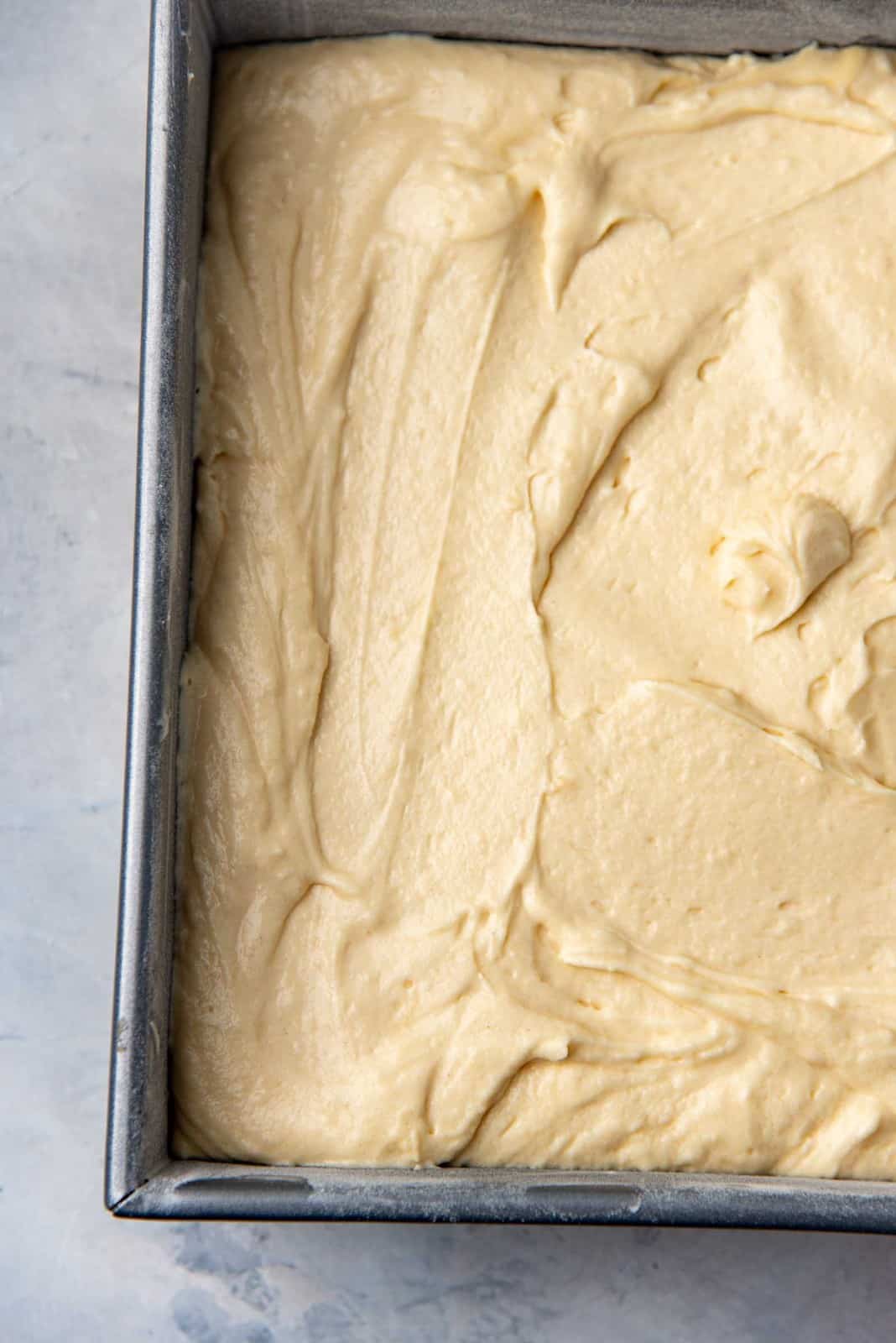
The butter cake batter in the cake pan, ready to be baked
A freshly baked sri lankan butter cake, still in the cake pan

Why is my butter cake domed? Can I have a flat surface?

A little doming is natural. And it’s not a bad thing. It you want a flat surface on your butter cake, then you can either bake the cake in a water bath, or wrap the baking pan with these even bake oven strips. Both of these methods slow down the baking process and help distribute the heat evenly, which will largely prevent any doming.

You can also make the cake by separating the egg whites, and whisking them into a meringue and then adding this to the cake batter. This will substitute the baking powder. This can also help make the surface flat.
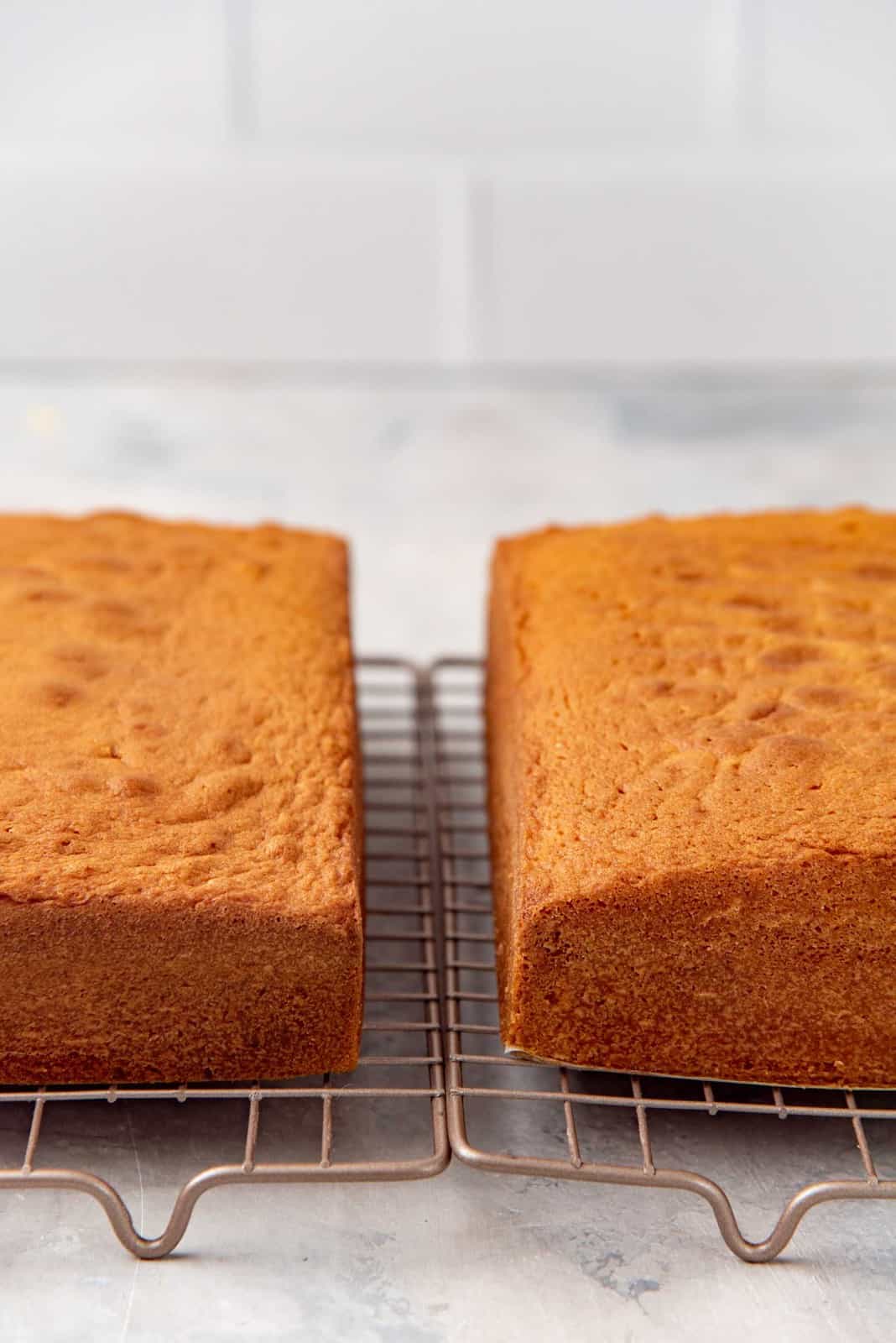
Two cakes on two wire racks, to show the different in height between 8 and 9 inch cake pans
The difference in height between a 9 inch (L) and 8 inch (R) square cake pan

Personally, I prefer it with a slightly domed surface. It’s the natural end result, and there’s just no reason to mess with that.

A properly baked butter cake should have a nice brown top with absolutely NO spots. Usually cakes have spots on the crust when the sugar and butter weren’t mixed properly, and/or the sugar didn’t dissolve. It can also happen if you accidentally added too much sugar to your cake batter.
Serving suggestions

What else does this Sri Lankan butter cake need to make it extra special and extra delicious? NOTHING, absolutely NOTHING! It’s a delightfully light, moist, buttery cake with a gorgeous crumb and perfect sweetness, with a hint of vanilla flavor. And it’s the simplicity of this butter cake that helps those flavors and textures shine through as well. It’s a snack cake that is usually served with tea or coffee, so it’s not meant to be too sweet or indulgent.

BUT if your renegade self is so inclined, you can dust some confectioner’s sugar on top.

My sister used to eat this cake with a drizzle of condensed milk and melted chocolate. I know! She got me hooked on it too for awhile, until we both outgrew that sickeningly sweet tooth. Or maybe the sweet tooth outgrew us.

You could also serve it with some berries and a little whipped cream. A dark chocolate sauce is also a great choice.

If you’d like to make a birthday cake out of this butter cake, then you can simply make two layers, and sandwich the two layers with my classic vanilla buttercream!

You can even color the batter to make a classic Sri Lankan ribbon cake like this!

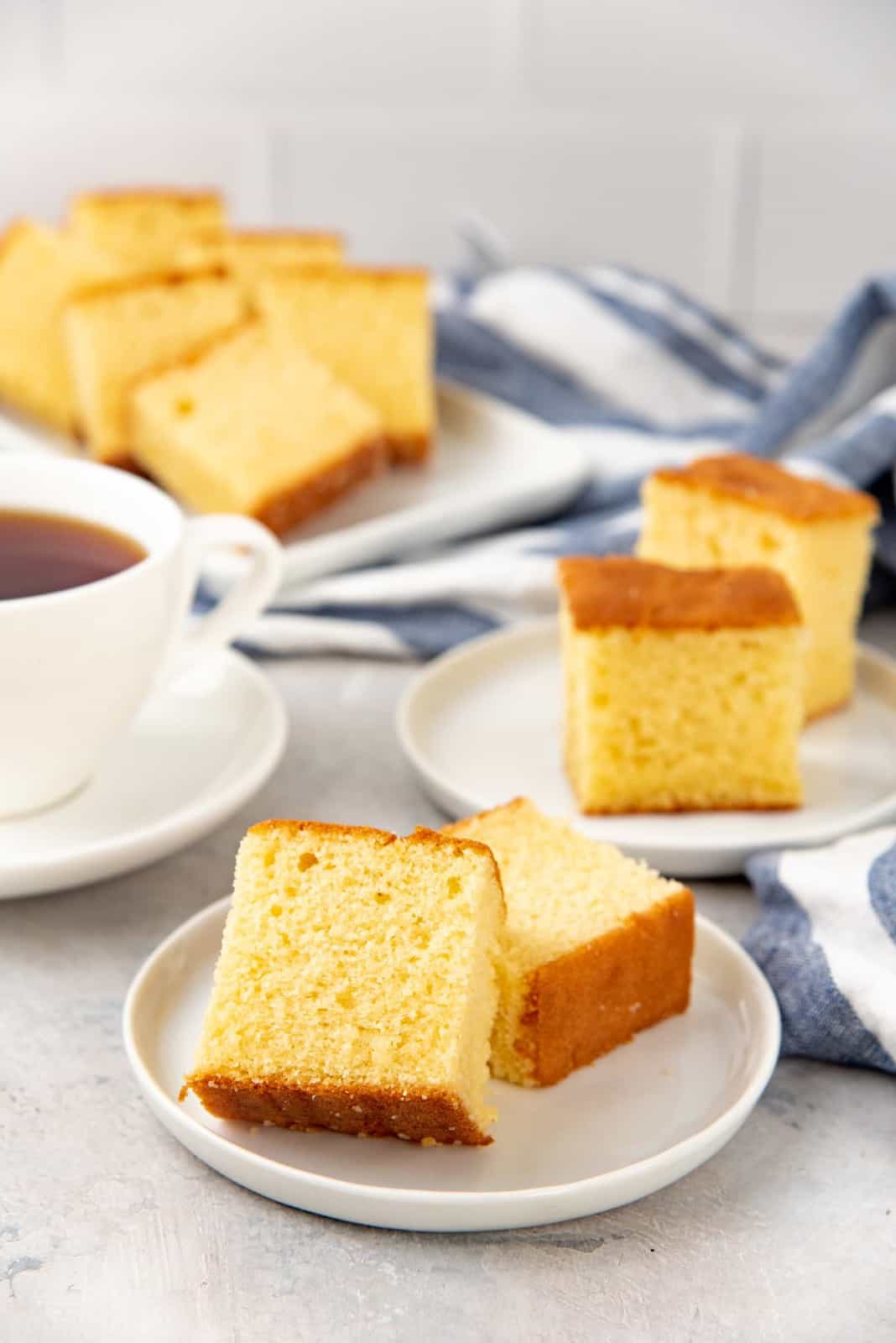
Two pieces of Sri Lankan butter cake served on a plate, with more pieces in the background and a cup of tea


Recipe

5 from 48 votes

Sri Lankan Butter Cake

Author: Dini Kodippili
Yield: 28 – 32 pieces (approximately 1″ x 2″ pieces)
Cuisine: European, Sri Lankan

 Difficulty: 

Easy
Authentic Sri Lankan Butter Cake that's light, buttery and moist, with a beautiful crumb, perfect sweetness, and a hint of vanilla flavor! Follow this step by step recipe for perfect results!
EASY – This recipe is easy to make even for beginners. A great basic cake recipe that can be served as a birthday cake as well.
US based cup, teaspoon, tablespoon measurements. Common Measurement Conversions. Weight measurements are recommended for accurate results.

US based cup, teaspoon, tablespoon measurements. Weight‌ ‌measurements‌ ‌are‌ ‌recommended‌ ‌for‌ ‌accurate‌ ‌results whenever available.

Common Measurement Conversions
Prep: 30 minutes mins
Cook: 30 minutes mins
Cooling time: 1 hour hr
Total Time: 1 hour hr
Print Recipe Rate SaveSaved!
Makes: 28 pieces

Ingredients:
 

  • 250 g unsalted butter (1 ⅛ cup) softened to 73°F
  • ¼ tsp sea salt use a generous ¼ tsp
  • 250 g white sugar (1¼ cup) caster sugar is better, but not required
  • 250 g eggs 4 – 5 eggs, weighed with the shell, at room temperature
  • 2 tsp vanilla extract use less if using vanilla essence
  • 250 g all purpose flour 2 cups, measured by spoon and level method
  • 2 tsp baking powder
  • 79 mL milk (⅓ cup) at room temperature

Instructions:
 

  • Butter and line the bottom of a 8 or 9 inch square pan with parchment paper. You could also line the sides of the pan with parchment paper, or simply butter and flour the sides. Set aside.
  • Preheat oven to 325°F / 165°C.
  • Place the butter and salt in a large bowl. With a hand mixer, or the paddle attachment on your stand mixer, beat the butter until light and creamy.
    250 g unsalted butter, ¼ tsp sea salt
  • Then add the sugar, and cream the butter and sugar mixture for about 5 – 7 minutes on medium high speed. Scrape the sides and bottom of the bowl to make sure all the butter and sugar are well-mixed.
    250 g white sugar
  • The mixture should be pale in color, light and very fluffy. This step is important, so make sure it has the right texture. Add the vanilla and continue to mix.
    2 tsp vanilla extract
  • While you cream the butter and sugar mixture, prepare the eggs. Break the eggs open into a bowl (make sure there are no shells).
  • Add the eggs, one at a time, into the creamed butter-sugar mix. Make sure each egg addition is mixed in well before adding the next one. Scrape the sides and bottom of the bowl in between additions so that the eggs are mixed in well.
    250 g eggs
  • Once the eggs are mixed through, the batter is ready for the dry ingredients.
  • Sift the flour and baking powder together. Place the room temperature milk in a small jug/container.
    250 g all purpose flour, 2 tsp baking powder, 79 mL milk
  • Add the sifted dry ingredients in 3 – 4 additions, alternating with the milk, and ending with the dry ingredients. (Once you add the first portion of dry ingredients, FOLD it in with a spatula. Then add half of the milk and fold that into the mixture as well. Repeat with another portion of dry ingredients and the rest of the milk, then end with the final portion of dry ingredients.)
  • Make sure there are no flour lumps in the mixture at this point, but also be careful not to overmix the flour in the batter.
  • Scrape the batter into the prepared baking pan. Using an offset spatula, spread the batter evenly in the pan. Knock the pan against your kitchen counter 2 – 3 times to remove any trapped air bubbles and to evenly spread the batter in the pan.
  • Place the baking pan in the preheated oven, and bake for 35 – 40 minutes, until the cake is baked through. Rotate the pan once (carefully) halfway through the baking time. The cake is done when a toothpick inserted into the middle of the cake comes out clean, and the surface of the cake is slightly springy to the touch.
  • Remove the pan from the oven and let it cool down for 5 – 10 minutes. Carefully flip the cake out onto a cooling wire rack. Peel off the parchment paper, and then flip the cake over again (so that it's right side up). Use a cake lifter or a cutting board to help with this, because the cake is soft at this point and could break.
  • Let the cake cool completely. Store the cake in an air-tight container for up to 3 days, or in the fridge for up to 5 days. This cake (wrapped and stored in a container) will freeze very well, and can be stored in the freezer for up to 3 months.
  • Slice the cake into any size pieces. I have sliced them into 1” x 2” sized pieces in these photos (28 – 32 pieces). Serve immediately.

Recipe Notes

Storage

The cake can be stored in an air tight container and stored at room temperature for about 2 days. But I prefer to store it in the fridge. 
The cake will last in the fridge for about a week, but it is best eaten within 4 – 5 days. 
To make the cake last longer, cut the cake into pieces and then store it in an air tight container that is freezer safe. The cake will last in the freezer for up to 3 months. 
Place wax paper / parchment paper in between the cake pieces, so they would not stick together, and you can take out the pieces you want and let it thaw out to eat. 

More popular Sri Lankan desserts

  • Breudher cake
  • Falooda recipe
  • Ribbon cake
  • Watalappan
  • Watalappan ice cream 
  • Chocolate biscuit pudding
  • Pani pol
 

Nutrition Information:

Serving: 1piece Calories: 143kcal (7%) Carbohydrates: 16g (5%) Protein: 2g (4%) Fat: 8g (12%) Saturated Fat: 5g (31%) Cholesterol: 43mg (14%) Sodium: 33mg (1%) Potassium: 60mg (2%) Fiber: 1g (4%) Sugar: 9g (10%) Vitamin A: 262IU (5%) Calcium: 26mg (3%) Iron: 1mg (6%)

“This website provides approximate nutrition information for convenience and as a courtesy only. Nutrition data is gathered primarily from the USDA Food Composition Database, whenever available, or otherwise other online calculators.”

Tag me on Instagram!I love seeing what you’ve made! Tag me on Instagram at @TheFlavorBender or leave me a comment & rating below.
Dini Kodippili Avatar

About

Dini Kodippili

Dini Kodippili is a professional food writer, recipe developer, food photographer, cookbook author, and baker. Dini has been featured on HuffPost, Cosmopolitan, Forbes, Delish, Food & Wine and more. Learn More

I love hearing from you! Submit your question or recipe review here.

5 from 48 votes (7 ratings without comment)

Leave a Reply Cancel reply

Your email address will not be published. Required fields are marked *

Made this? Rate this recipe:


This site uses Akismet to reduce spam. Learn how your comment data is processed.

108 responses

  1. Hudha
    August 3, 2023

    Hi dini.
    I tried this take, it was delicious. But was dry. Do you have any clue why it turned out to b dry?

    Reply
    1. Dini
      August 3, 2023

      Hi Hudha
      If the cake was dry it usually is because the cake was overbaked. This can happen if the cake was baked too long or baked in an oven that was too hot, or the wrong sized pan.
      Once you have an idea which one of these reasons caused the cake to be dry, you can easily adjust the bake time or lower the oven temperature to fix it.

      I hope that helps!

      Reply
  2. Sharon
    June 16, 2023

    5 stars
    Great recipe! Apparently the older recipes had condensed milk in them. My mum noticed that flavour missing from this – have you heard this? And if so, how would you add it to this recipe?

    Reply
    1. Dini
      June 16, 2023

      Hi Sharon!
      That’s so interesting! This is how my grandmother also made butter cake, so I’m not sure how condensed milk is added to the recipe. Unless some condensed milk is mixed with the milk? I wouldn’t substitute all the milk with condensed milk because the cake will be too sweet and the heavy condensed milk might make the final cake texture too dense as well.
      We used to love eating this cake WITH condensed milk (when we were kids) though!
      I hope that helps!

      Reply
  3. Ambika Namasivayam
    May 24, 2023

    5 stars
    Hi Dini.

    Thanks for this recipe.
    I remember you had a butter cake recipe with half butter half oil.

    I wonder if you can post that recipe here on your website.
    Thank you so much

    Reply
    1. Dini
      May 24, 2023

      Hi Ambika
      The recipe where I use half butter and half oil is for my Vanilla Cake recipe! It has been on the blog since 2018. I hope that helps!

      Reply
  4. Cate
    May 3, 2023

    This is just a Victoria Sponge cake in the UK. Officially the sponge is 2oz of sugar/butter/flour per egg, but many people weigh the eggs (average egg weighs 2oz, but allows for variations in size)

    It’s Sri-Lanka day at school and I was after a unique traditional recipe, but unfortunately this is also a classic British cake recipe that why eat all the time. We usually serve as 2 layers sandwiched with jam and cream.

    Reply
    1. Dini
      May 3, 2023

      Hi Cate
      That’s disappointing! This is actually a classic Sri Lankan cake that is served during so many occasions and loved by many.
      As you know, Sri Lanka was colonized by the British, so was probably introduced to this cake during that era. Also, this is a cake. Cakes are made with very similar ingredients all over the world with varying ratios, so I’m not quite sure what you expected from a cake recipe.
      This cake is served as is, without any buttercream, with a cup of tea which makes this an undoubtedly Sri Lankan classic, so it’s different from the filled version that you mentioned.

      Reply
  5. Shani
    April 7, 2023

    Thanks for the recipe. Can I substitute with self raising flour? What’s the difference?

    Reply
    1. Dini
      April 7, 2023

      Hi Shani
      Self raising flour already has baking powder added. I do not recommend using it because I cannot guarantee how much baking powder is in the flour and if it will be sufficient for the same rise.
      You are welcome to try it, but if the cake is dense at the end that means it needed more baking powder.
      Hope that helps

      Reply
  6. Inoka kodikara
    March 18, 2023

    5 stars
    I loved this butter cake receipe thank you………

    Reply
  7. Bo
    March 10, 2023

    5 stars
    Perfect recipe!!!

    Reply
  8. Lizz
    February 20, 2023

    5 stars
    Hi..i loved the recipe so much..i already tried the cake n all my family love that cake so much..tq ya

    Reply
  9. Nitika
    February 5, 2023

    5 stars
    Great recipe! Thank you. Instructions were clear and so informative. Cake came out perfect thank you.

    Reply
  10. Judith
    December 16, 2022

    5 stars
    The cake came out so good. Thank you for giving clear instructions.

    Reply
    1. Dini
      December 16, 2022

      Thank you Judith, I’m so glad the instructions were helpful! 🙂

      Reply
  11. Sofie
    April 19, 2022

    Hi,

    If i wanted to make this cake with two layers (pink and green coloured layers), do I mix the ingredients as one whole cake but then split the batter into two pans when it comes to baking?

    Reply
    1. Dini
      April 20, 2022

      Hi Sofie
      You would split the batter into two bowls and color each the colors you want.
      To get two neat, even and clean layers, you should bake them in separate pans as well.
      I hope that helps!

      Reply
      1. Sofie
        April 20, 2022

        Thank you!

        Reply
        1. Craig G
          April 21, 2022

          Hi Sofie! Would love for you to send a pic of your progress!

          Reply
  12. Anna Xavier
    April 3, 2022

    What a great recipe! The perfect butter cake! Thank you for sharing such a detailed recipe with all the notes too!

    Reply
  13. Amila D
    February 12, 2022

    5 stars
    The best butter cake i’ve made to date! Got rave reviews

    Reply
  14. Nisha Silva
    January 28, 2022

    Dear Dini,

    Hi! I will be making an attempt to make butter cake some time next week.

    My oven is a gas oven and starts at 180 degrees. Is that alright? I see you have mentioned 165 degrees.

    Please let me know. Thank you so much.

    Reply
    1. Dini
      January 28, 2022

      Hi Nisha
      It’s hard for me to be 100% sure how your gas oven works. Some gas oven have a fan to circulate the air, and some may not have this. Depending on this the temperature inside the oven will change and the only way to know for sure is to use an oven thermometer.
      You can bake at 180C and see if it will bake the cake. At 165, the lower heat helps with even heating, but the cake can be baked at 180 as well. However, you will need to keep an eye on the cake to make sure it bakes through. If the top of the cake browns too much, you can use a foil to tent the cake pan.
      Hope that helps.

      Reply
      1. Nisha Silva
        January 31, 2022

        Dear Dini,
        Hi and thank you so much for replying. Apologies for my late acknowledgement;.

        I understand what you’re saying Dini. Fingers crossed on this one! I will let you know how it goes!

        Reply
        1. Calvin
          September 26, 2023

          5 stars
          hi Dini! Lovely recipe. Made this for the first time and it turned out very well-received! This will definitely be my turn to recipe for butter cake! Just to enquire whether the batter can be baked in two load pans? Any adjustments to be made?

          Reply
  15. Anila
    December 18, 2021

    Hi,
    Can I use almond flour instead of AP Flour?

    Reply
    1. Dini
      December 21, 2021

      Hi Anila
      Almond flour is entirely different from AP flour, and isn’t a good replacement in this recipe. Almond flour has no gluten and the texture is different, unlike AP flour.
      The resulting cake will be dense, too moist and flat.
      I recommend using AP Flour to get the best results.
      Hope that helps

      Reply
  16. Nethul Sasnith
    November 22, 2021

    Hi Dini,
    I have a small question. Is it possible to bake a cake in convention microwave?

    Reply
    1. Dini
      November 24, 2021

      Hi Nethul
      I haven’t made cake in the microwave unfortunately. Making a cake in the microwave will require a separate recipe too. The cake may have to be smaller, and you will need a microwave safe container. The batter ratios may also be different to ensure a cake that is cooked through AND evenly cooked as well.
      Hope that helps.

      Reply
  17. Kumudini Bandara
    November 18, 2021

    I used this recipe and hints. The cake came out amazing. I made my own variation with 100-125g chocolate chunks to make a chocolate chunk cake.

    Reply
  18. Aynah
    November 10, 2021

    Hi Dini,
    Is this recipe for two 8/9 inch cakes or one cake ?

    Reply
    1. Dini
      November 10, 2021

      Hi Aynah
      As stated in the recipe it’s for 1 cake (either 8 or 9 inch square cake)

      Reply
      1. Amanda Jes
        March 16, 2023

        Cake looks great and I am sure it tastes great. Can it be frozen?

        Reply
        1. Dini
          March 16, 2023

          Hi Amanda
          Yes you can freeze this cake. However make sure to wrap it really well with plastic wrap and foil to prevent freezer burn and to prevent the cake from picking up smells from the other food in the freezer too.
          To avoid refreezing, you can cut the cake into slices first, and only defrost what you need. Avoid defrosting and re-freezing.
          I hope that helps

          Reply
  19. Sonia
    October 24, 2021

    5 stars
    1st time baking and it turned out great!! All thanks to you and your detailed instructions. It’s a perfect recipe for beginners and my family(and myself hehe) absolutely loved the cake!

    Reply
  20. V
    September 18, 2021

    5 stars
    Hi, how can make this cake in a 8 inch round pan? What about the measurements?

    Reply
    1. Dini
      September 18, 2021

      Hi V
      If you want a taller cake, then you need to multiply the ingredients by a factor of 0.8, or if you want a shorter cake, multiply by a factor of 0.6. But this is on the assumption that the cake pan is about 3 inches in height.
      You can also make the recipe as it is, and fill the cake pan about 2/3 of the way, and make cupcakes or smaller cakes with the remaining batter.
      Hope that helps

      Reply
      1. V
        September 18, 2021

        Thank you sm. This helped a lot.

        Reply
    2. Sandy Dass
      March 4, 2023

      Can I add mixed fruits or raisin to this receipe please?
      If yes, how much n do I need to make any adjustments to the receipe please

      Reply
←Older Comments
1 2 3 4
Newer Comments→

Hey There!

Hi! I’m Dini, a third culture kid by upbringing and a food-geek by nature. I was born in Sri Lanka, grew up in New Zealand and lived in Australia, and then the US, before moving to and settling down in Canada. My food is a reflection of those amazing experiences!

Read More
Front cover of the Secret Layer Cakes cookbook by Dini Kodippili.

The Flavor Bender

Cookbook

Buy now on Amazon!

Recipe Basics

  • How To Make Perfect Choux Pastry

    How To Make Perfect Choux Pastry

  • Flaky All Butter Pie Crust Recipe

    Flaky All Butter Pie Crust Recipe

  • How To Make Homemade Marshmallows (Foolproof Guide)

    How To Make Homemade Marshmallows (Foolproof Guide)

  • The Best Homemade Bread (White Bread Recipe)

    The Best Homemade Bread (White Bread Recipe)

  • Homemade French Croissants (Step By Step Recipe)

    Homemade French Croissants (Step By Step Recipe)

  • The BEST Pavlova Recipe (Step by step recipe and video)

    The BEST Pavlova Recipe (Step by step recipe and video)

Featured On

Master the science of baking!

Get my FREE Printable Cake Pan Conversion Chart!

So you’ll know how to substitute cake pans of different shapes, sizes & volumes in a pinch!

A must have resource for all pro bakers, novice bakers, and aspiring bakers alike!

Download now!

Reader Faves

  • How to make the Best Instant Pot Short Ribs

    How to make the Best Instant Pot Short Ribs

  • Perfect Quick and Easy Rough Puff Pastry

    Perfect Quick and Easy Rough Puff Pastry

  • The Best Spicy Sweet Chili Sauce (Easy Recipe!)

    The Best Spicy Sweet Chili Sauce (Easy Recipe!)

  • The Best Homemade Bread (White Bread Recipe)

    The Best Homemade Bread (White Bread Recipe)

The Flavor Bender

I love baking, cooking, experimenting with flavors and ingredients, and passing on all my tips and tricks to you!

Read More

About

Meet Dini
My Book
Work With Me
Contact

Browse

Recipes
Measurement Guide
Baking How-To’s
Shop My Faves
Privacy
Disclosure
Terms

Branding by MRD

Theme by OC

Back to Top
  • Facebook
  • Instagram
  • Pinterest
  • X
  • YouTube
2033 shares

Rate This Recipe

Your vote:


A rating is required
A name is required
An email is required

Recipe Ratings without Comment

Something went wrong. Please try again.